In Formless Depictions of Unknown Truth: Immaterialism and Berkeley's Idealism
In formless depictions of unknown truth, the atheistic tendencies of idolaters: Atheism, Materialism, Skepticism...
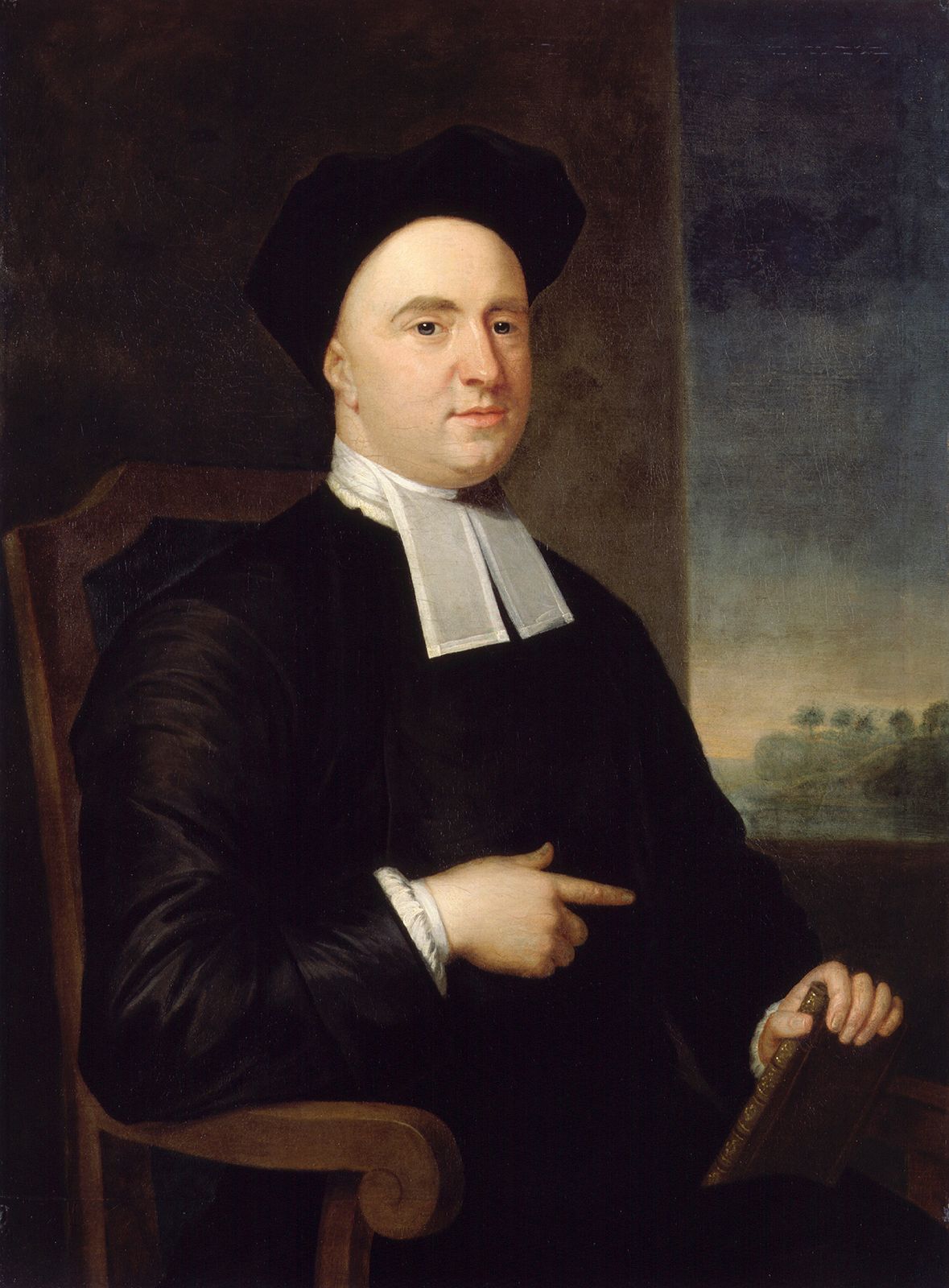
Designs of a rejection that will echo in ears... And facing it, the principles of rejecting Trinega(2) by every soteriologist(1) crying out stories capable of human salvation...
Here lies the seductiveness of George Berkeley's sacred struggle in 'A Treatise Concerning the Principles of Human Knowledge' and 'Three Dialogues between Hylas and Philonous': Immaterialism...
The name given to Berkeley's idealism is Immaterialism. Meaning the doctrine of non-materiality, it stands among the major schools established in early modern European philosophy. Fundamentally, we can illustrate Idealism with 'You exist because I perceive you' and Materialism with 'I perceive you because you exist.' However, under the principle 'To be is to be perceived' (Esse est percipi), it is asserted that no state of existence can be spoken of outside of perception.
In the perceptual aesthetics of immaterialist principles, one who remains unseduced will ask: 'In a definition of reality where only what is perceived exists, should the interaction of snowflakes falling continuously onto desolate hills—unperceived by any human observer—be disregarded?' The seductive philosopher, turning his eyes to the heaven of illuminations, would reply: 'No, for the knowledge and perception of God are always present there.'
1: A theological field examining the concept of salvation in religions.
2: Latin phrase coined for the essay, meaning ('Tri-Atheism / Triple Denial').